Accurate six-degree-of-freedom positioning is difficult under normal conditions. It becomes significantly harder when the operating environment imposes restrictions that eliminate many conventional motion-control solutions.
Vacuum systems do not tolerate lubricants or outgassing materials. Cryogenic systems challenge both actuators and sensors. Strong magnetic fields can rule out electromagnetic drives. In semiconductor, synchrotron, electron microscopy, and quantum applications, even particle generation and thermal drift become critical concerns.
In these situations, the positioning problem extends far beyond achieving motion accuracy. Every design choice, from actuator technology to bearings, sensing, materials, and thermal behavior, must be evaluated against environmental constraints.
One technology that has proven particularly useful in these environments is the piezoelectric hexapod. By combining parallel kinematics, piezoelectric actuation, precision sensing, and flexure-based mechanics, these systems can deliver nanometer-scale positioning while avoiding many of the limitations of traditional electromechanical motion platforms.

Why Parallel Kinematics Matter
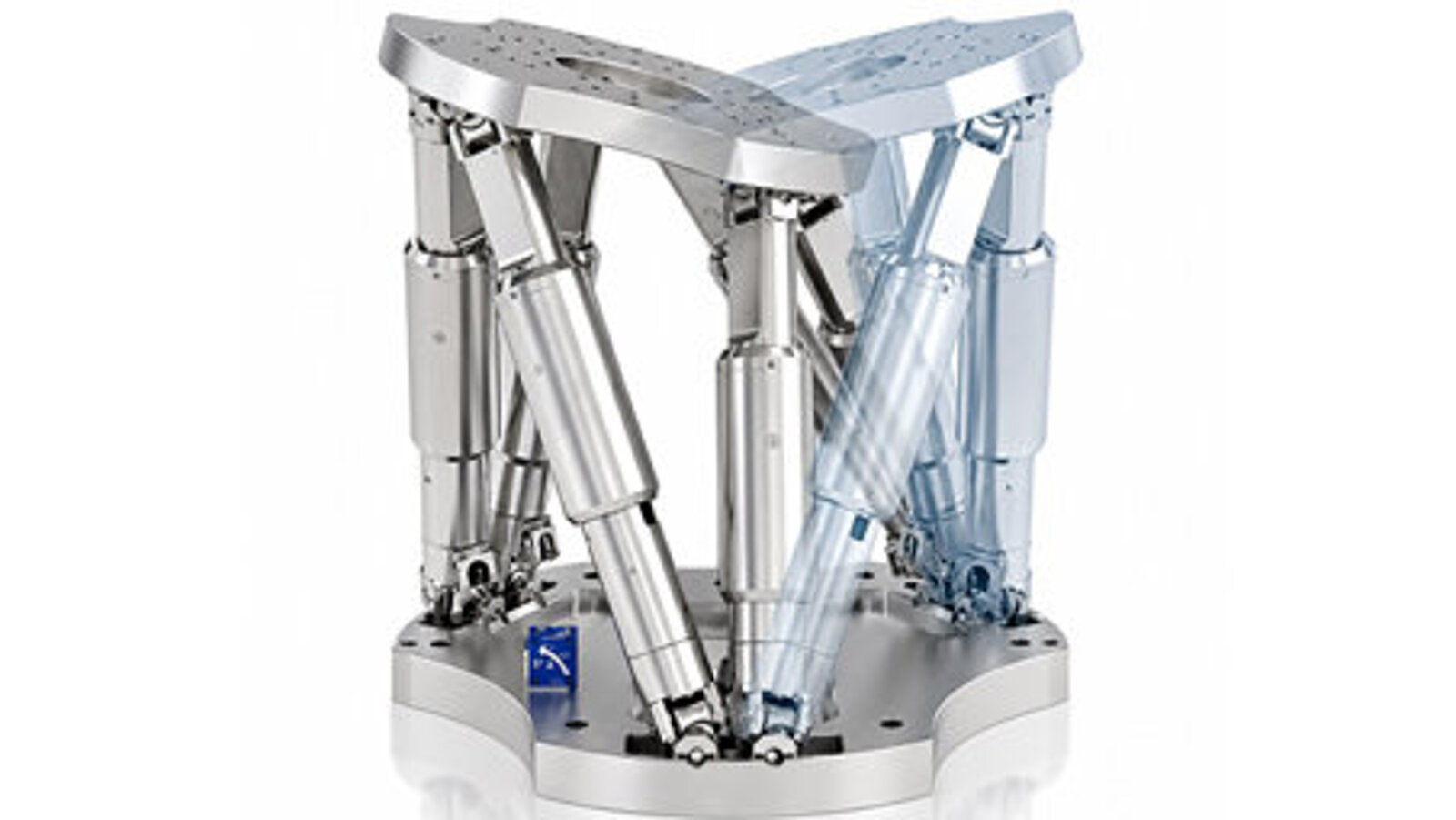
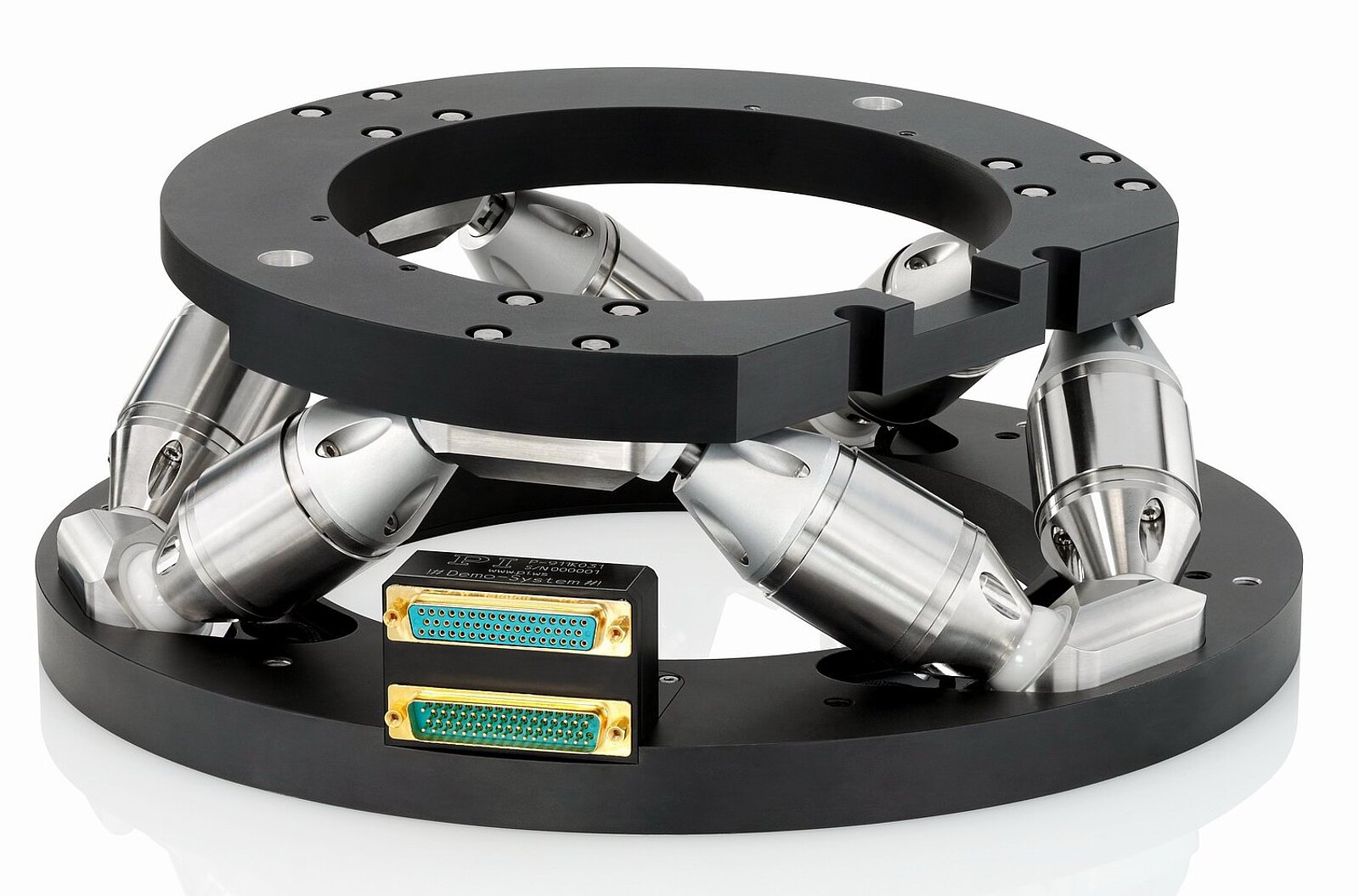
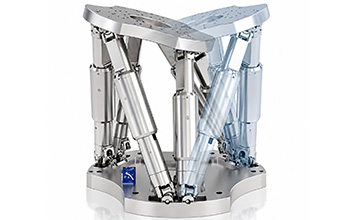
A hexapod consists of six independently controlled struts connecting a fixed base to a moving platform. Coordinated motion of those struts generates movement in all six degrees of freedom: X, Y, Z, pitch, roll, and yaw.
At first glance, the concept may seem similar to stacking multiple positioning stages, but the mechanical behavior is quite different. In a serial stack, each stage carries the mass and errors of the stages mounted above it. In a parallel-kinematic design, all actuators work together on the same platform.
This architecture offers several practical advantages. The stiffness of each actuator contributes directly to the stiffness of the entire mechanism. The moving mass can often be reduced, and the overall structure can be more compact than an equivalent stack of individual stages.
For applications where vibration sensitivity, stability, and dynamic performance are important, these mechanical benefits can be just as valuable as the six-degree-of-freedom motion itself.
Why Piezoelectric Actuators Are Different
The choice of actuator becomes especially important when environmental conditions eliminate conventional motors and bearings.
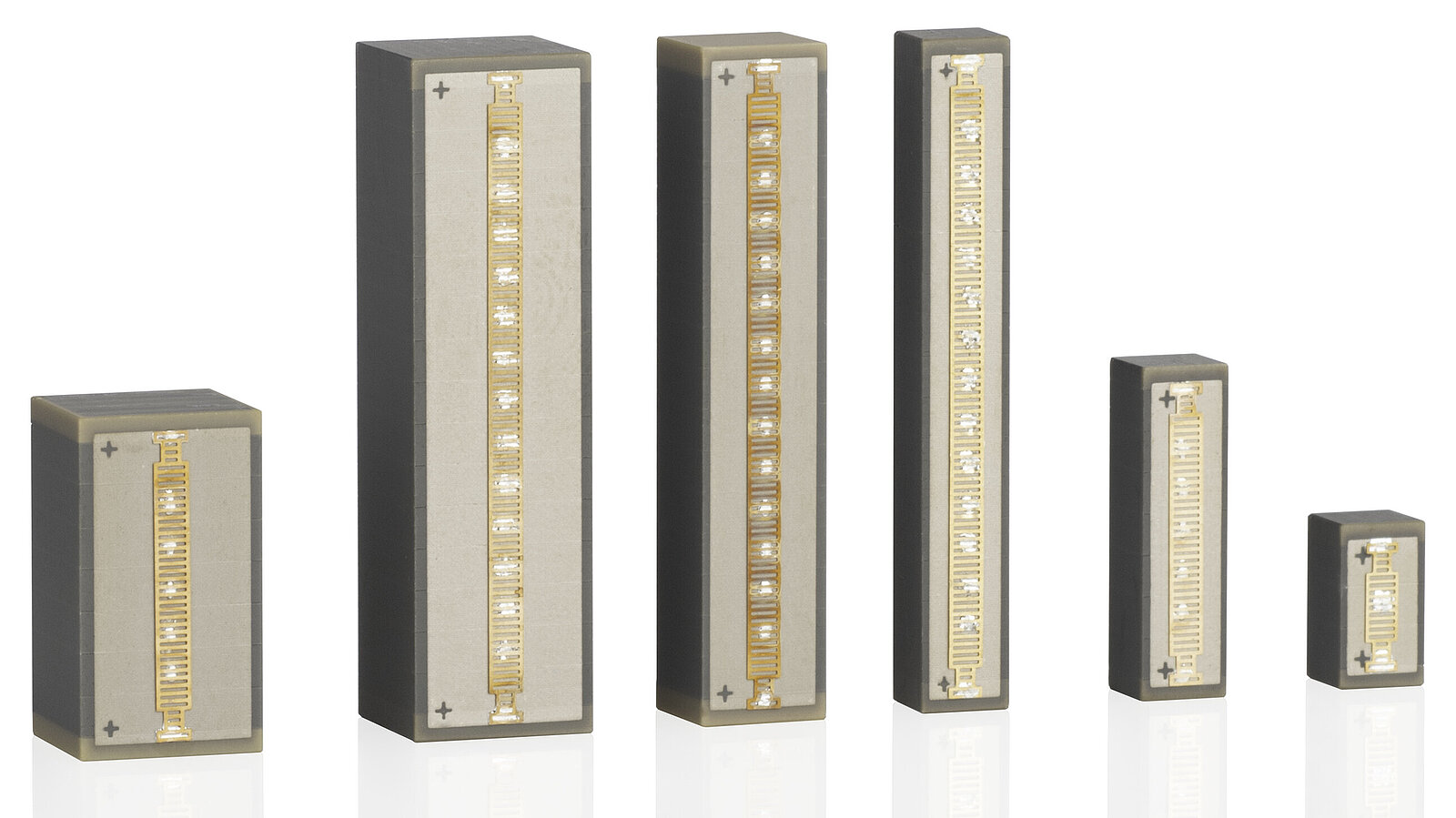

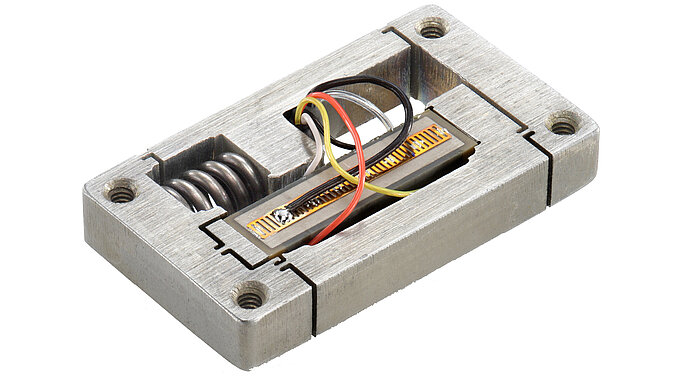
For short-travel applications, piezo stack actuators combined with flexure mechanisms provide an elegant solution. Motion is generated without rolling or sliding contact, which means there is no backlash, no mechanical wear, and no stick-slip behavior.
From an engineering perspective, the absence of friction is a major advantage. Combined with high-resolution feedback systems, piezo-actuated flexure stages can achieve positioning resolution and repeatability at the nanometer level.
Equally important is what these systems do not require. Flexures eliminate conventional bearings and the lubrication associated with them. As a result, the mechanism can operate with extremely low outgassing and minimal particle generation.
That makes piezo-flexure systems particularly attractive in contamination-sensitive environments, such as semiconductor manufacturing equipment, EUV systems, electron microscopes, and synchrotron beamlines.
The tradeoff, of course, is travel range. Piezo stacks excel at precision motion over relatively small distances. When applications require larger travel ranges, other piezo technologies become attractive alternatives.
When More Travel Is Required
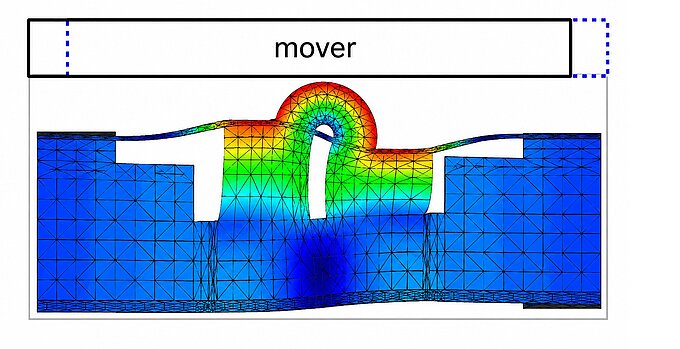
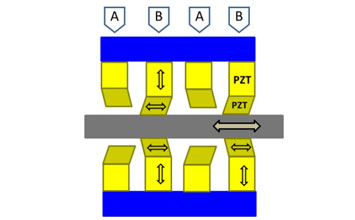
Not every application can be solved with a few hundred microns or a few millimeters of motion. For longer travel distances, technologies such as Piezo-Walk, V8-piezo-walk motor, and inertia drives extend the operating range while retaining the benefits of piezoelectric actuation.
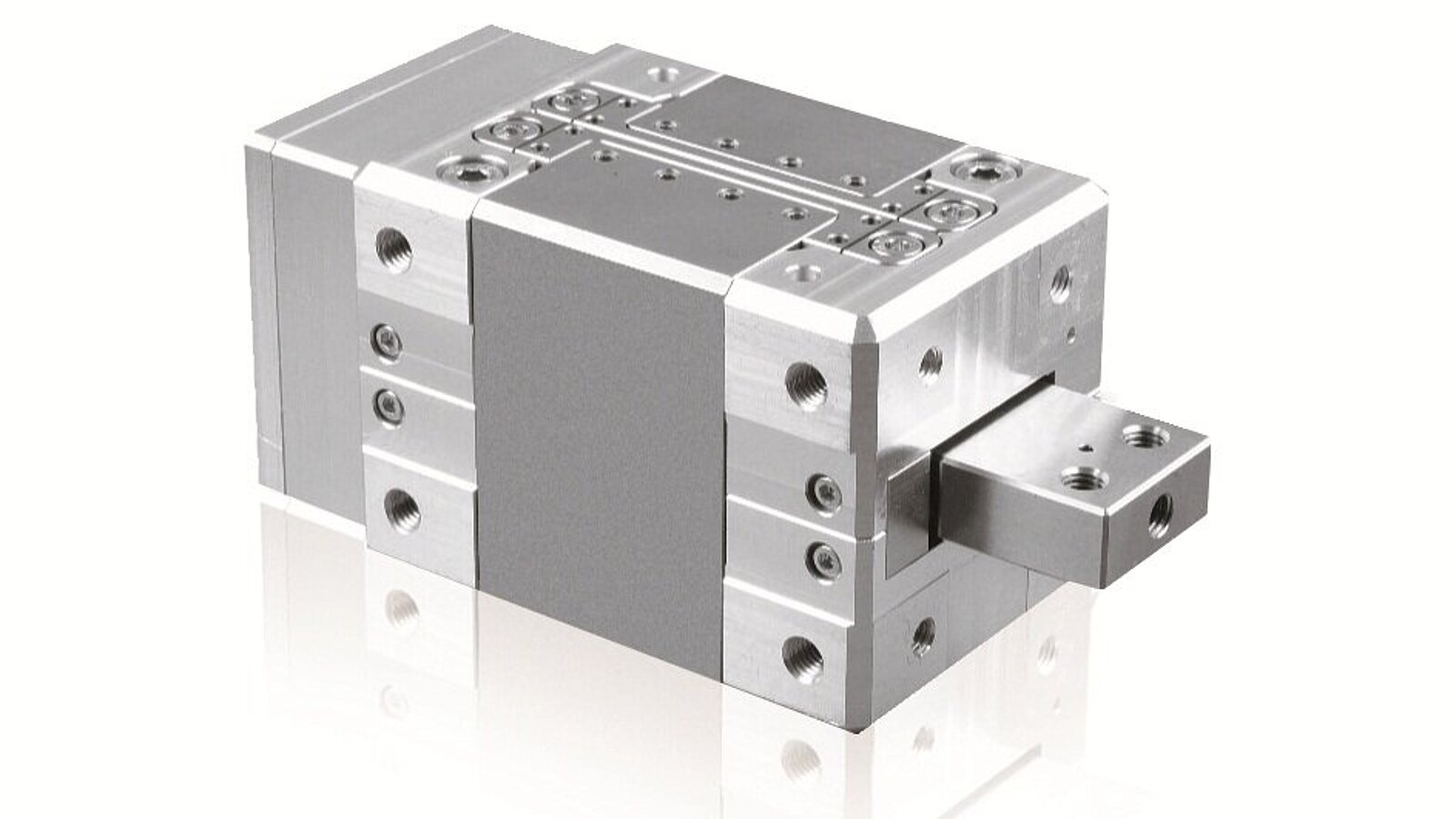
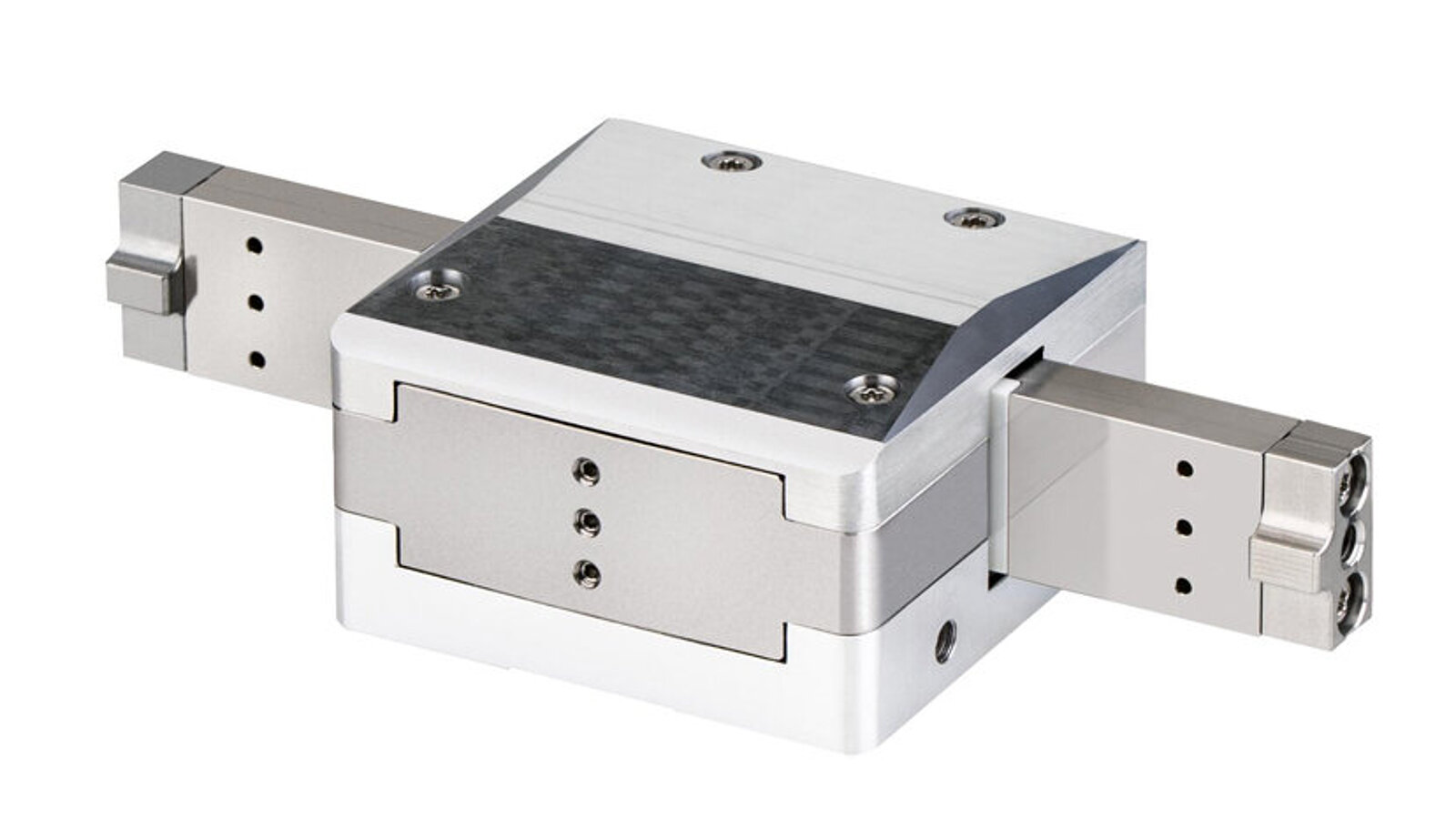
These systems can still achieve nanometer-scale position control, but they introduce additional mechanical elements, including guidance systems and transmission mechanisms. As a result, overall accuracy and repeatability may not quite match what is achievable with a purely flexure-guided piezo stack design. The engineering challenge becomes one of balancing travel range against ultimate positioning performance.
Cleanroom Example: Nanometer Motion with a 60 kg Payload
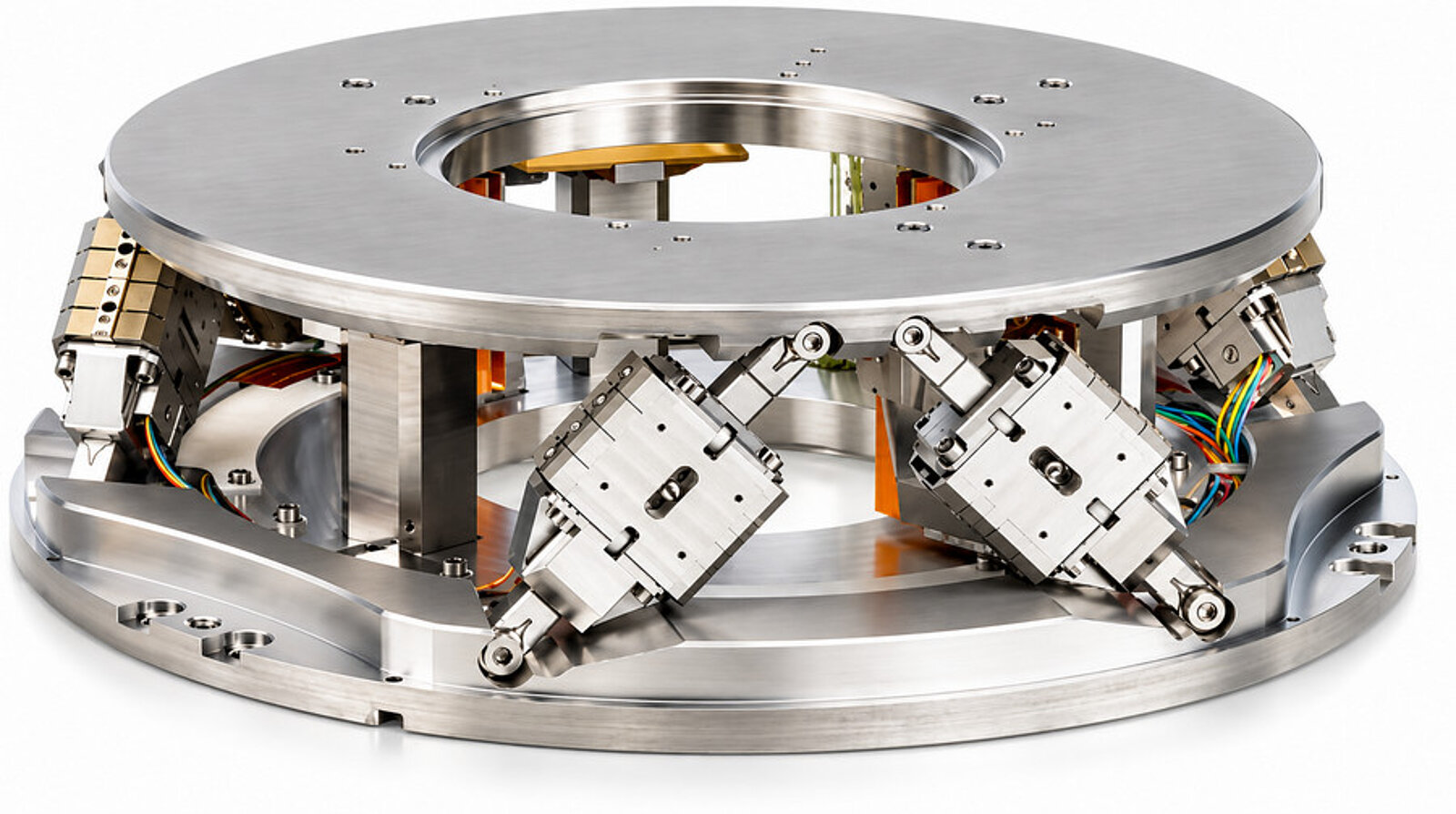
A good example is a customer-specific cleanroom hexapod based on NEXLINE® piezo-walk motor technology.
The design was optimized for stability, compactness, and low overall height while providing ±1.8 mm of travel in X, Y, and Z together with ±0.25° of rotational motion. Instead of conventional bearings, the system uses EDM-cut flexure joints. Position measurement is provided by absolute-measuring linear encoders.
What makes the design notable is its payload capability. During qualification testing, the system achieved minimum incremental motion of 10 nm in the linear axes and 0.25 µrad in the rotary degrees of freedom while supporting a 60 kg load. This illustrates an important point that is sometimes overlooked: piezoelectric positioning systems are not limited to small laboratory-type nanopositioners. With the right architecture, they can handle substantial loads while still delivering extremely fine motion control.
Vacuum and Non-Magnetic Applications
Ultra-high vacuum environments introduce a completely different set of constraints. Materials that outgas become unacceptable. Lubricants can contaminate optics and sensitive components. In some applications, particularly electron microscopy, synchrotron instrumentation, and quantum research, magnetic materials must also be minimized or eliminated.
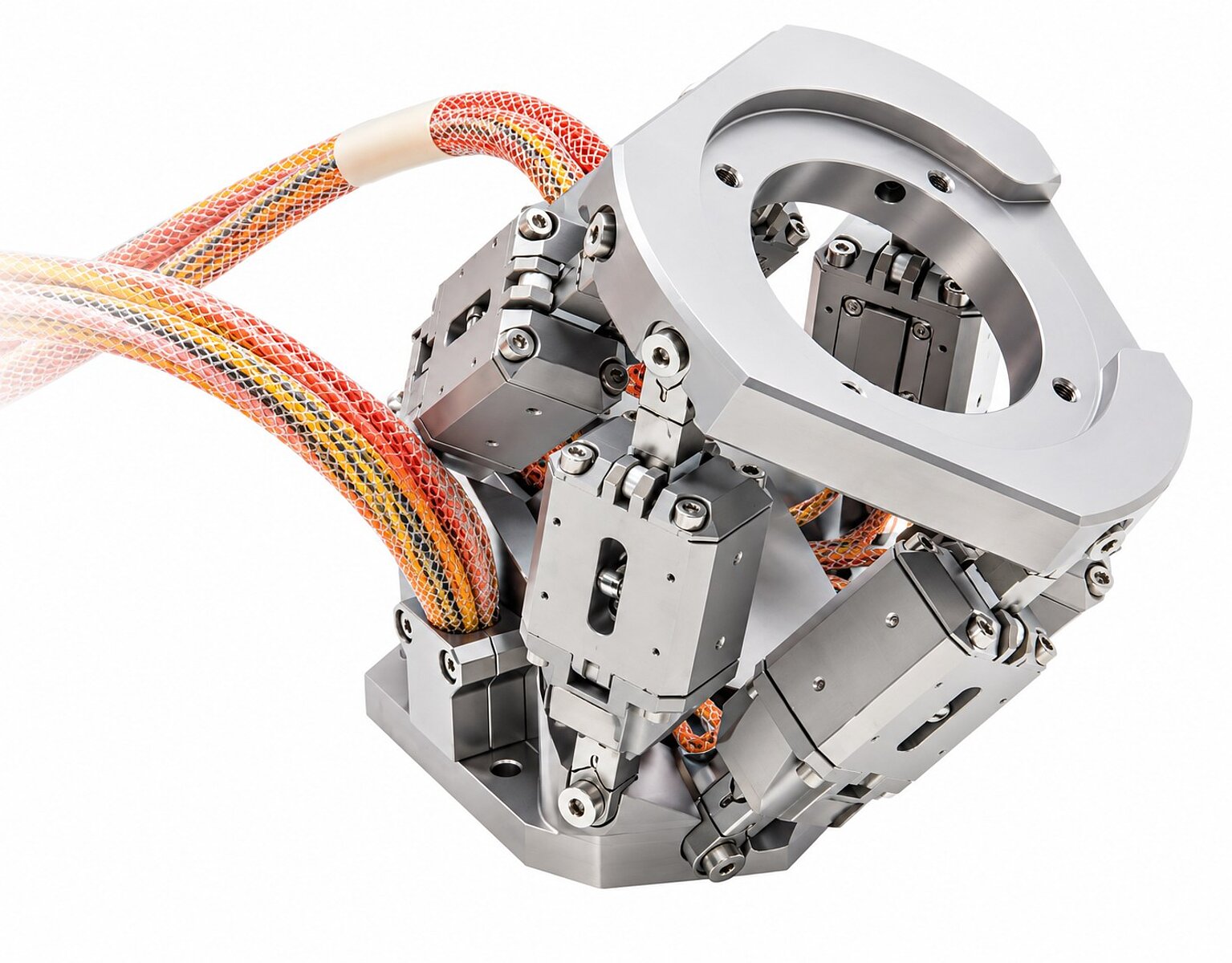
Piezoelectric drives are well suited to this environment because they do not rely on electromagnetic drive principles. Piezo motion systems can therefore be designed using vacuum-compatible and non-magnetic materials without sacrificing positioning resolution.
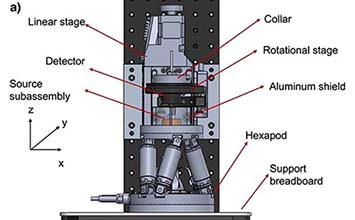
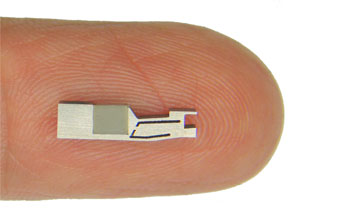
One UHV-specific NEXLINE® piezo-walk hexapod developed by PI provides ±0.5 mm travel in X, Y, and Z and ±0.6° rotation about all three rotational axes. The design uses flexure joints and capacitive displacement sensors for repeatable positioning and is intended for operation at pressures down to 10⁻⁷ hPa while supporting payloads up to 1.5 kg. Engineers at PI have developed several customized vacuum hexapods, including very compact designs based on miniaturized piezo-walk motors for environments reaching pressures as low as 10⁻⁹ hPa.
Precision Motion at Cryogenic Temperatures
Cryogenic applications push motion-system design into another category entirely. Researchers working on quantum computing, trapped-ion systems, superconducting qubits, and quantum sensing often need precision motion near 4 K. At these temperatures, the behavior of both actuators and sensors can differ significantly from room-temperature operation.
According to the paper, position sensing below 4 K represents one of the most challenging aspects of the design. The cryogenic hexapod described uses inertia drives within each strut and a PIRRI interferometer (PI Range Resolved Interferometer) for position feedback. Mechanical connections are achieved through spring-preloaded spherical joints.
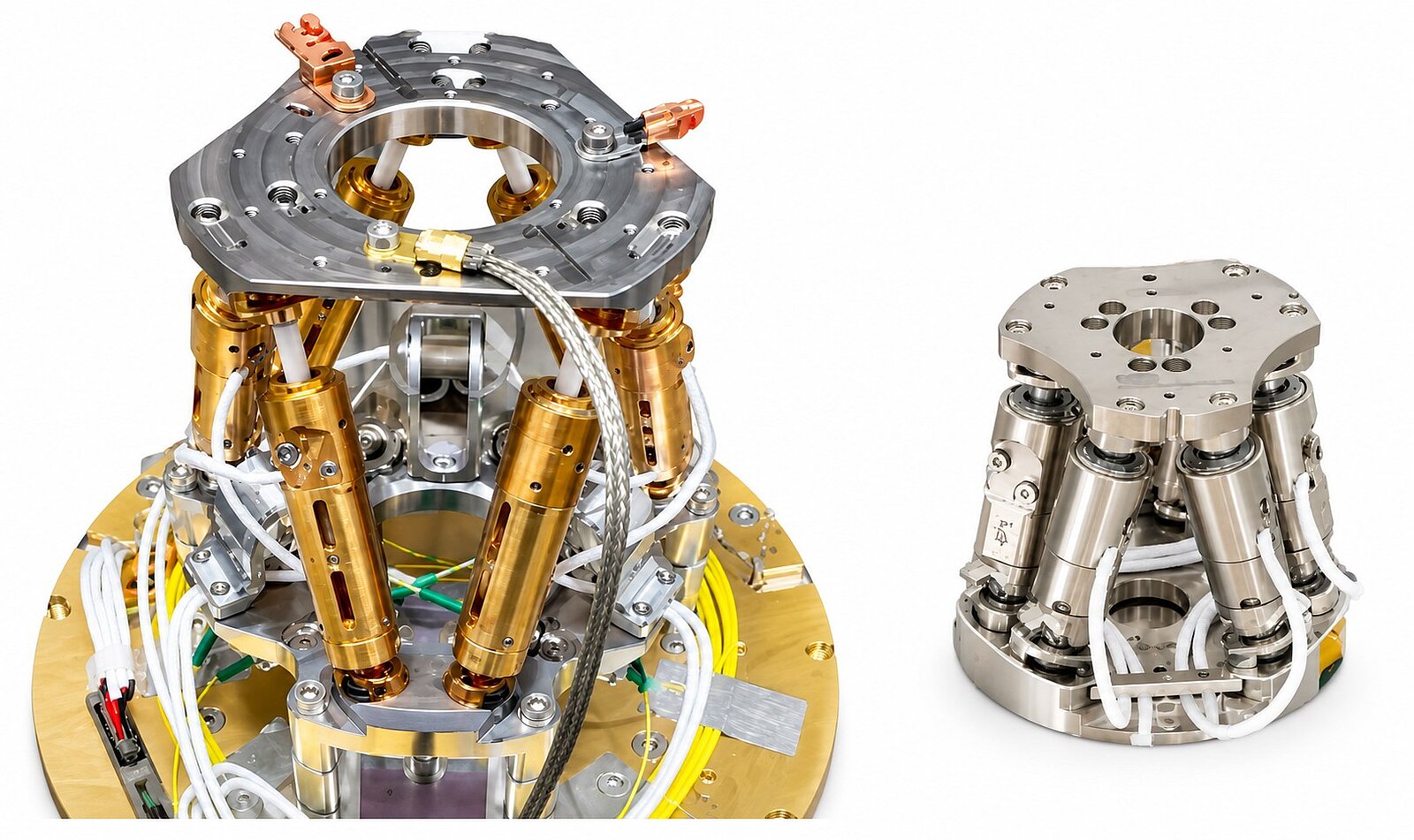
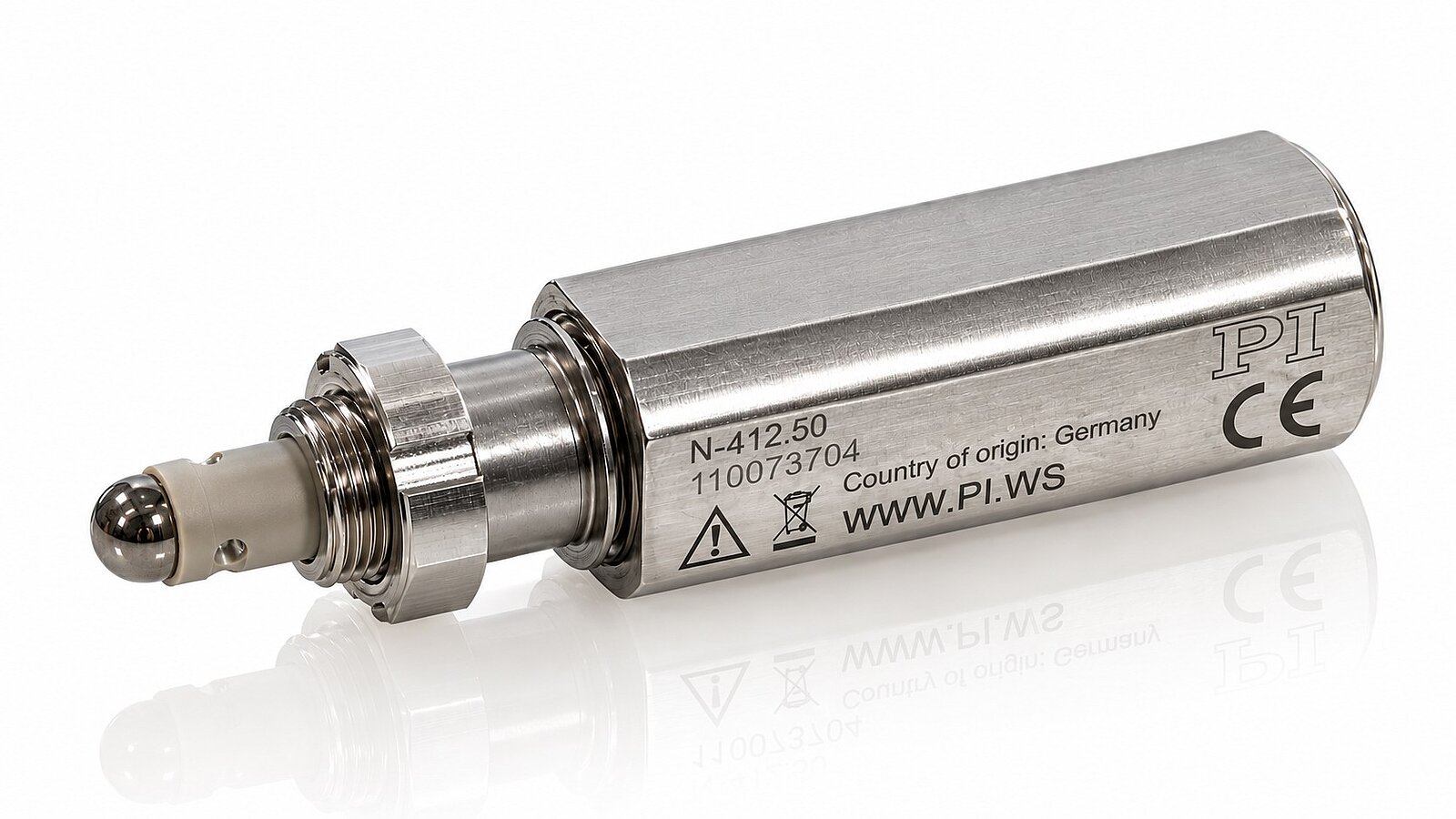
Despite incorporating six-axis motion and integrated metrology, the system remains compact, measuring approximately 70 mm in diameter and 65 mm in height. It provides ±3 mm of translational travel and ±4° of rotational travel while carrying payloads up to 0.5 kg.
One characteristic that makes piezo ceramic motors particularly attractive inside cryostats is their low heat generation. In addition, self-locking piezo motor designs can maintain position without continuous power consumption, helping to minimize thermal loading inside the cryogenic environment.
Matching the Technology to the Application
There is no universal hexapod architecture that works best for every application. If the primary objective is maximum positioning accuracy, long-term stability, and contamination-free operation over relatively short travel ranges, flexure-guided piezo stack actuators are often the preferred solution.
When larger travel ranges are needed, piezo motors, such as NEXLINE®, walking-type motors, and stick-slip inertia drives, provide additional options. In practice, actuator selection is only one piece of the puzzle. Sensor technology, joint design, materials, thermal effects, cable management, load requirements, and environmental constraints all influence the final system architecture. Experienced motion engineers know that the actuator-technology rarely determines the success of the design by itself.
When Conventional Motion Technologies Run Out of Options
The cleanroom, UHV, and cryogenic examples discussed here all address the same fundamental challenge: how to achieve precise six-axis motion when conventional positioning technologies become difficult or impossible to implement.
In cleanrooms, contamination control and stability dominate the design requirements. In vacuum systems, outgassing and magnetic compatibility become major concerns. At cryogenic temperatures, thermal effects, sensing, and power dissipation define the engineering challenge.
Piezoelectric hexapods offer a flexible answer to these problems. Whether implemented with stack actuators, walking piezo motors, or inertia drives, they provide a practical path to achieving high-precision motion in environments where traditional electromechanical solutions often reach their limits.
» Read the full PDF paper by Siegmar Klein, Antje Bogner, Christian Sander


Blog Categories
- Aero-Space
- Air Bearing Stages, Components, Systems
- Astronomy
- Automation, Nano-Automation
- Beamline Instrumentation
- Bio-Medical
- Hexapods
- Imaging & Microscopy
- Laser Machining, Processing
- Linear Actuators
- Linear Motor, Positioning System
- Metrology
- Microscopy
- Motorized Precision Positioners
- Multi-Axis Motion
- NanoAutomation
- Nanopositioning
- Photonics
- Piezo Actuators, Motors
- Piezo Mechanics
- Piezo Transducers / Sensors
- Precision Machining
- Semicon
- Software Tools
- UHV Positioning Stage
- Voice Coil Linear Actuator
- X-Ray Spectroscopy