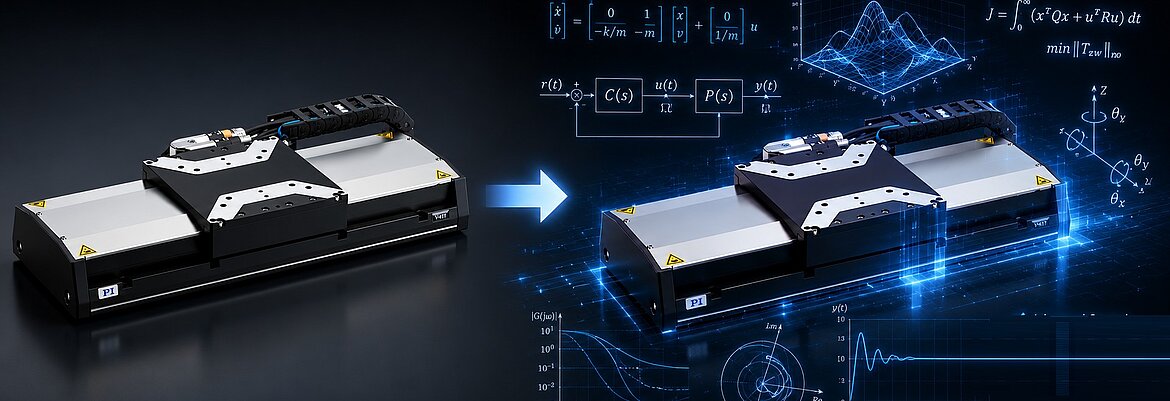
It Starts with the Stage...
It's a question that has come up in discussions more and more over the past few years. Most customers begin their search looking for a precision positioning stage. And that's exactly where the conversation should start.
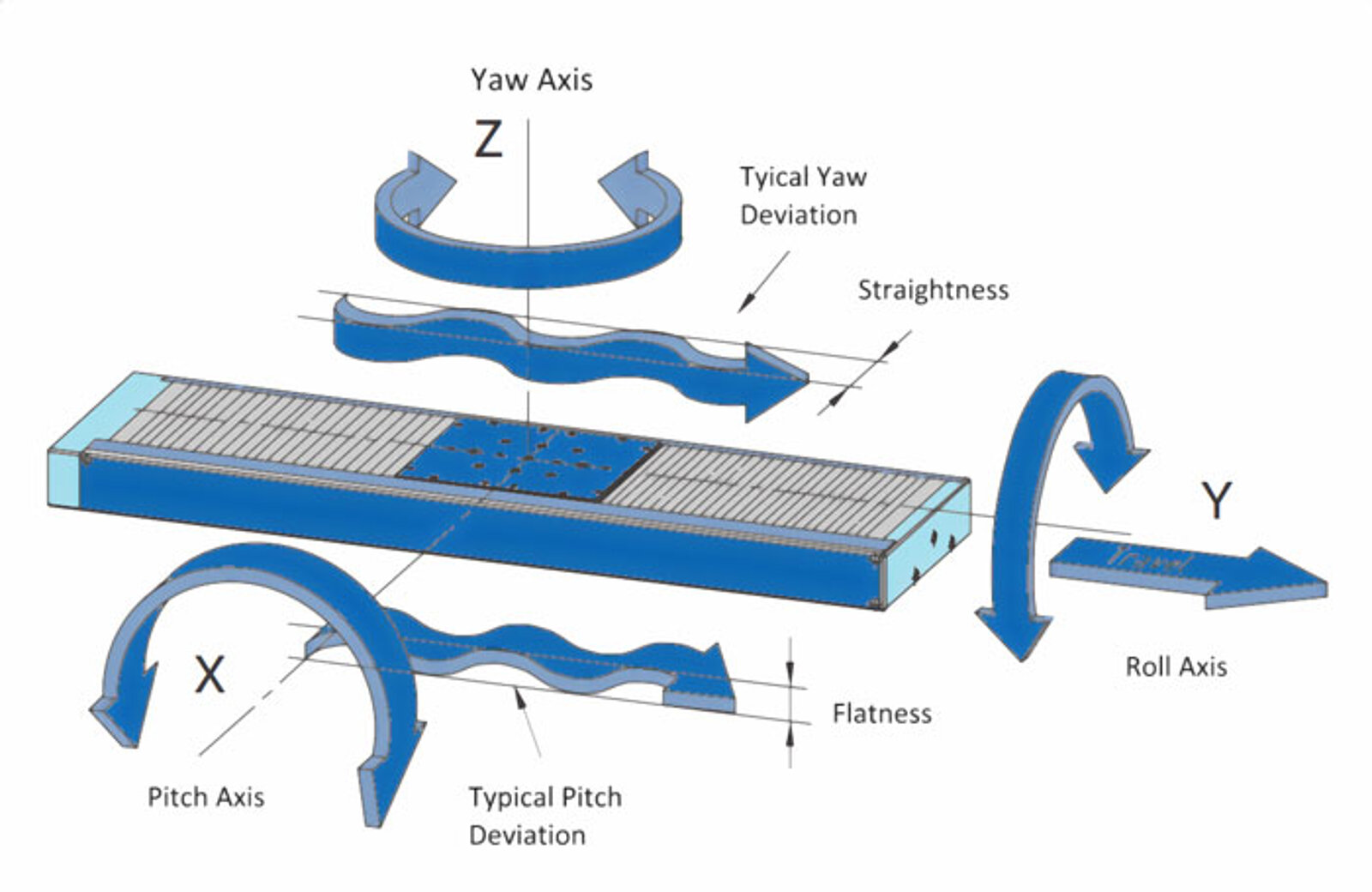
Performance matters. Accuracy matters. Straightness, repeatability, dynamics, stiffness, and reliability are the foundation of every successful precision machine. But increasingly, those are only the beginning of the conversation.
As projects mature, the engineering challenges often shift away from the motion hardware itself and toward understanding the process the customer is ultimately trying to achieve.
- How will the vision system synchronize with encoder position?
- How are laser pulses triggered at exactly the right location?
- How does the metrology system close the loop?
- How do multiple subsystems communicate with deterministic timing?
- How do all of these technologies come together into a machine that performs consistently in production, not just during initial development?
These are the challenges that frequently consume the greatest engineering effort, create the highest technical risk, and ultimately determine whether a project achieves its performance objectives.

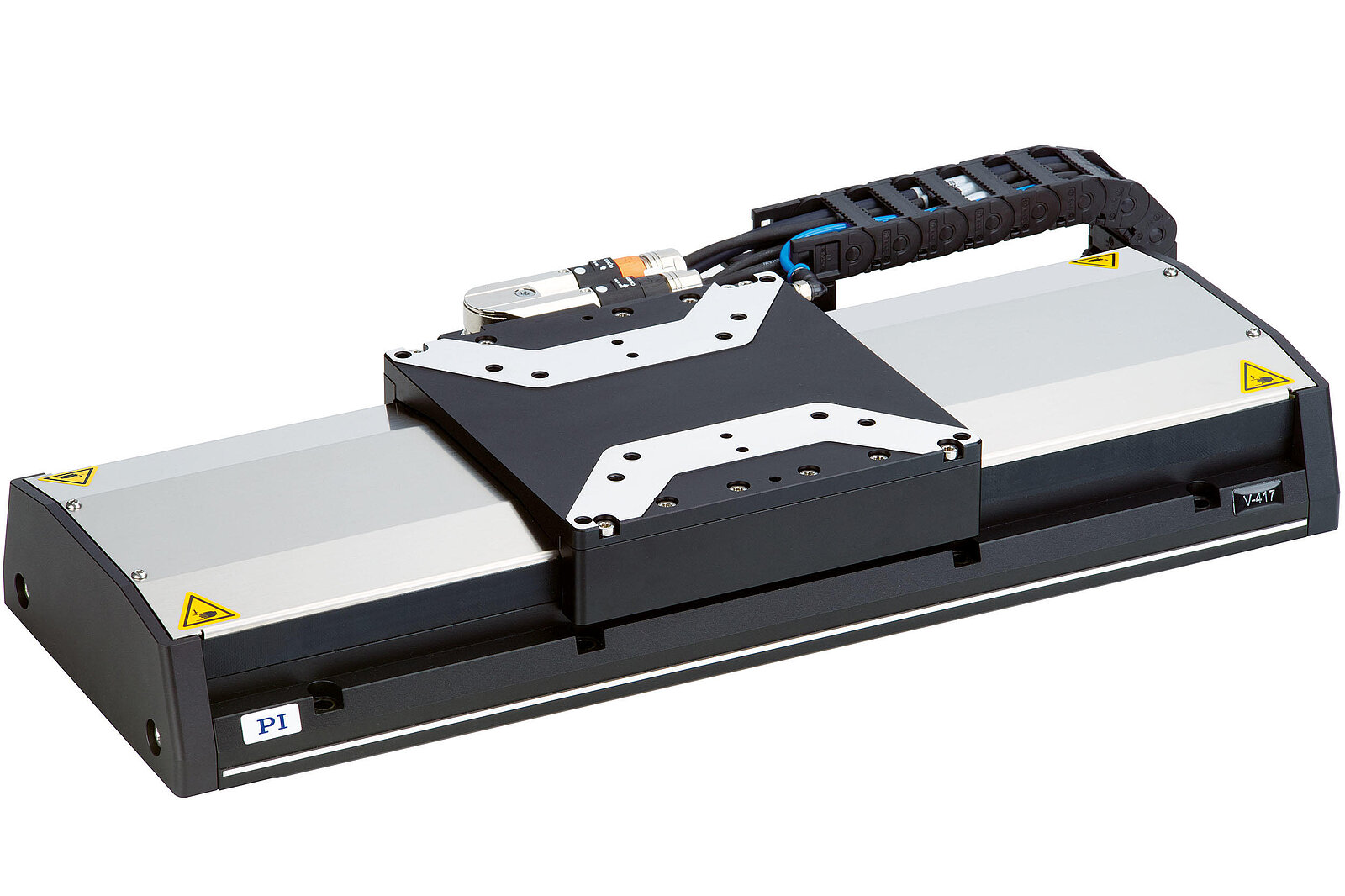
What distinguishes a positioning stage from a precision motion system is not simply the number of axes or the complexity of the setup.
This is where we believe the definition of a precision motion system has changed. It is no longer simply a collection of stages, mechanics, and a controller. It is an architecture where precision mechanics, motion control, software, vision, metrology, lasers, process hardware, and application knowledge all work together toward a single objective.
World-Class Hardware Is Still the Foundation
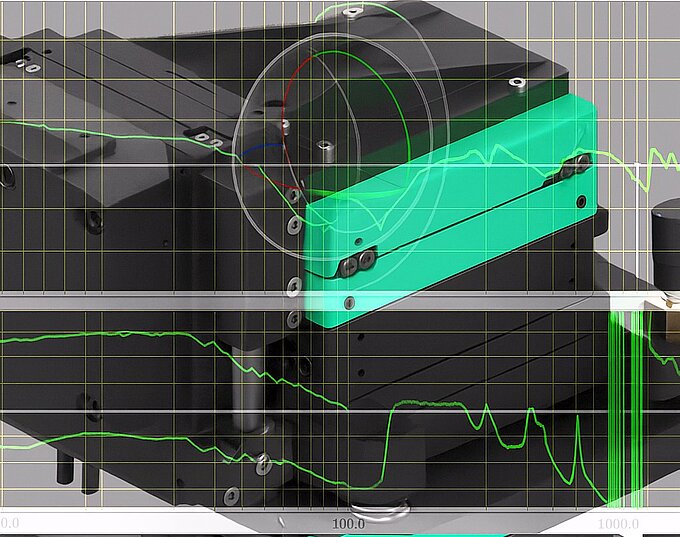
The motion controller is a great example. Today's motion controllers, such as the ACS Motion Control SPii Plus platform used throughout many of PI's advanced systems, are extraordinarily capable. Sophisticated synchronization, deterministic I/O, coordinated multi-axis motion, real-time processing, advanced programming environments, and powerful control algorithms allow today's systems to achieve levels of performance that can, at times, seem to defy the laws of physics.
But none of that changes a fundamental truth. Advanced control algorithms are not a substitute for exceptional mechanical design. Exceptional performance still begins with exceptional hardware. A motion controller can compensate for many things. It cannot compensate for poor structural design, inadequate stiffness, excessive vibration, or fundamental mechanical limitations.
Neither mechanics nor control alone is the answer.
The highest-performing systems are created when exceptional mechanical design and sophisticated control architecture are developed together, each enabling the other to perform at its full potential.
Motion Control Is About Judgment, Not Features
The value of a motion controller isn't found in the number of capabilities it offers. It's found in understanding how those capabilities work together to solve a specific engineering problem. In many ways, that's similar to martial arts. A skilled martial artist doesn't succeed because they've mastered hundreds of techniques. They succeed because they instinctively know which technique to apply, when to apply it, and how to seamlessly transition from one technique to the next.
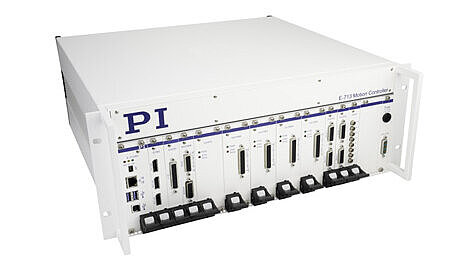
Architecting a precision motion system is no different. It requires understanding how to synchronize motion with external devices, determining what information should drive the control system, deciding where control loops should be closed, triggering events with deterministic timing, and bringing all of those capabilities together into a system that consistently delivers the desired process outcome.
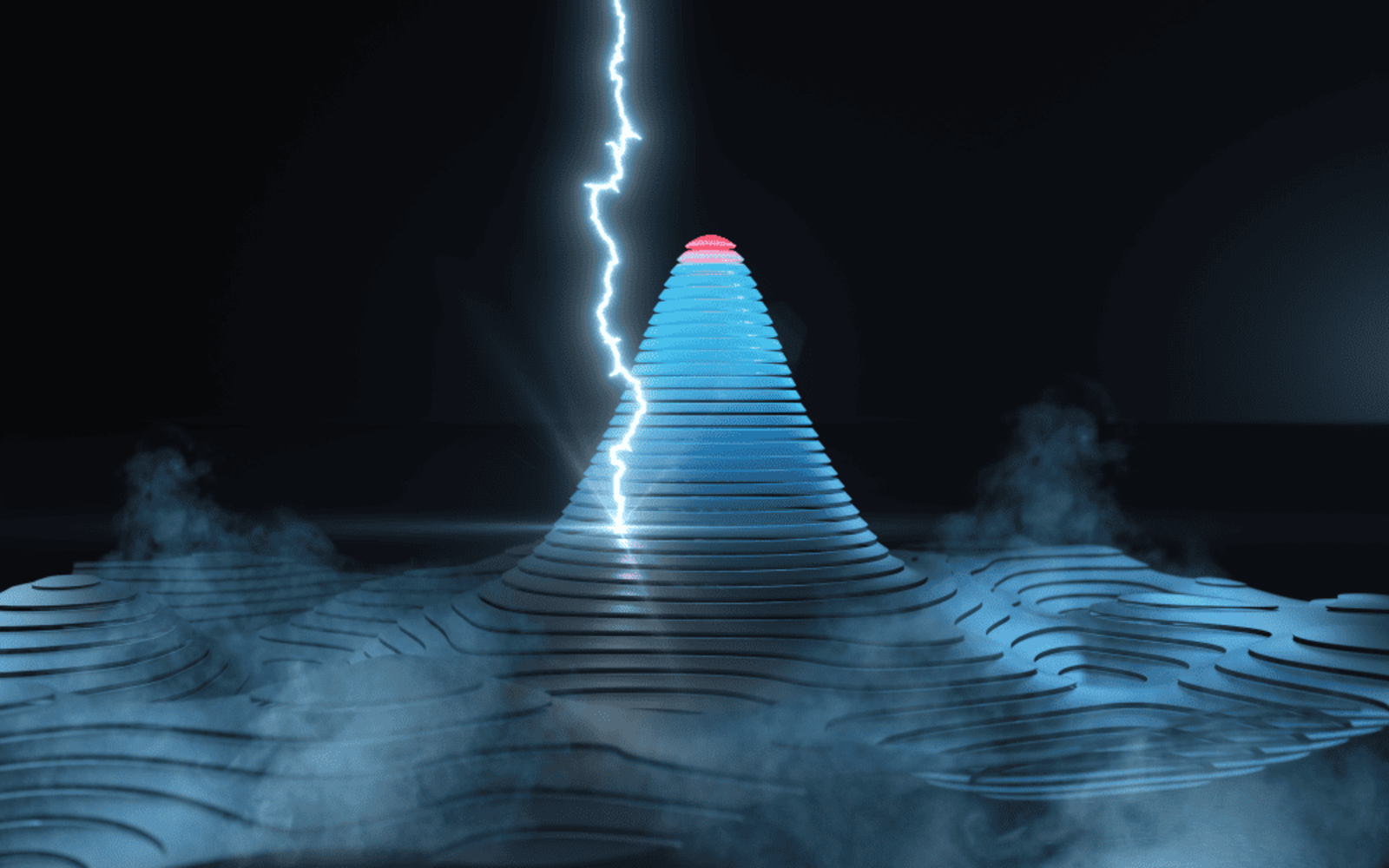
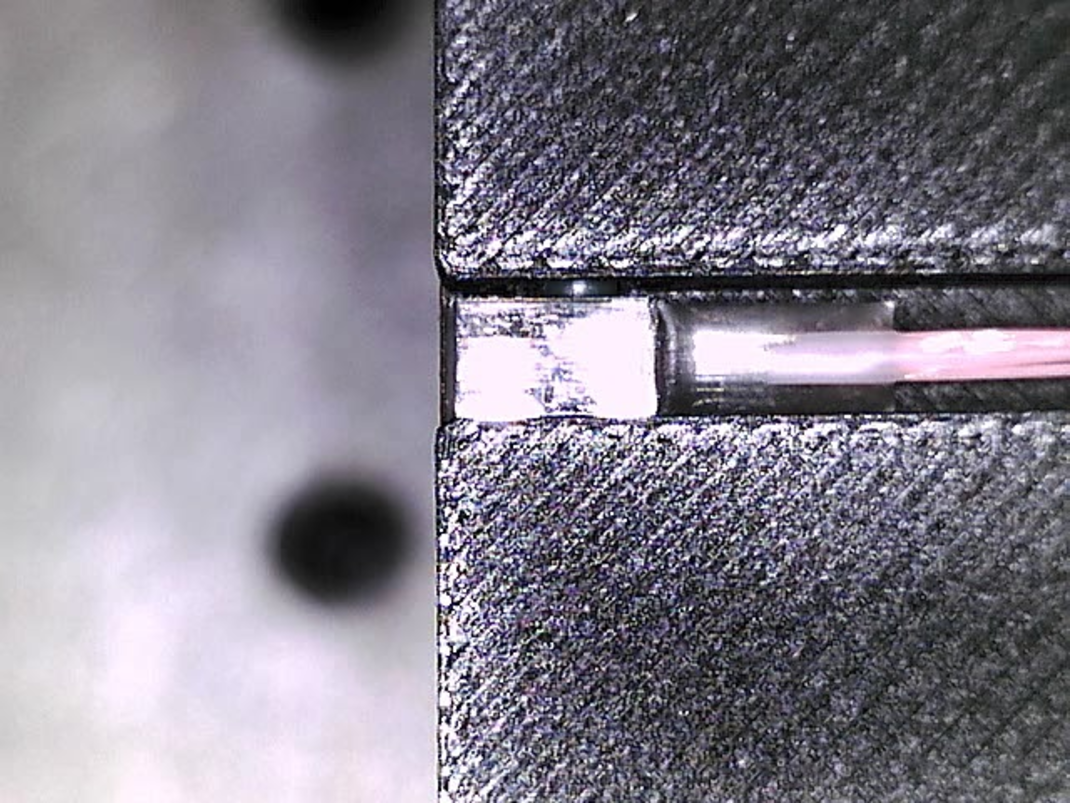
That is why application-specific algorithms, such as PILightning, used in PI's most advanced photonics alignment systems, are so powerful. They are not simply algorithms layered on top of a controller. They are developed from an intimate understanding of both the customer's process and the controller architecture on which they execute.
Why Application Expertise Matters
This thinking is one of the reasons we have embraced a Vertical for Vertical philosophy at PI, and it’s never been simply an organizational model. It is an engineering strategy.
Every market develops its own ecosystem of technologies, peripherals, integration challenges, and performance expectations. While many of the underlying technologies are common across industries, the nuances of each market influence how those technologies should be applied. Those nuances drive different priorities, different design decisions, and ultimately different engineering tradeoffs.
Understanding those nuances enables a motion systems provider to know where to invest, which capabilities to master, and where additional expertise will create the greatest value for customers.
- Which peripheral technologies should be tightly integrated?
- Which controller capabilities deserve additional development?
- Where will new algorithms create meaningful customer value?
- What level of synchronization does the process actually require?
Those answers don't come from a product catalog or spec sheet. They come from understanding the customer's process. Understanding that process is what transforms a component supplier into an engineering partner.
Helping Customers Make Better Engineering Decisions
This is where we believe a systems provider creates its greatest value. Rather than simply responding to a list of specifications, an engineering partner has the responsibility to help customers evaluate alternatives before they become committed to a particular design path.
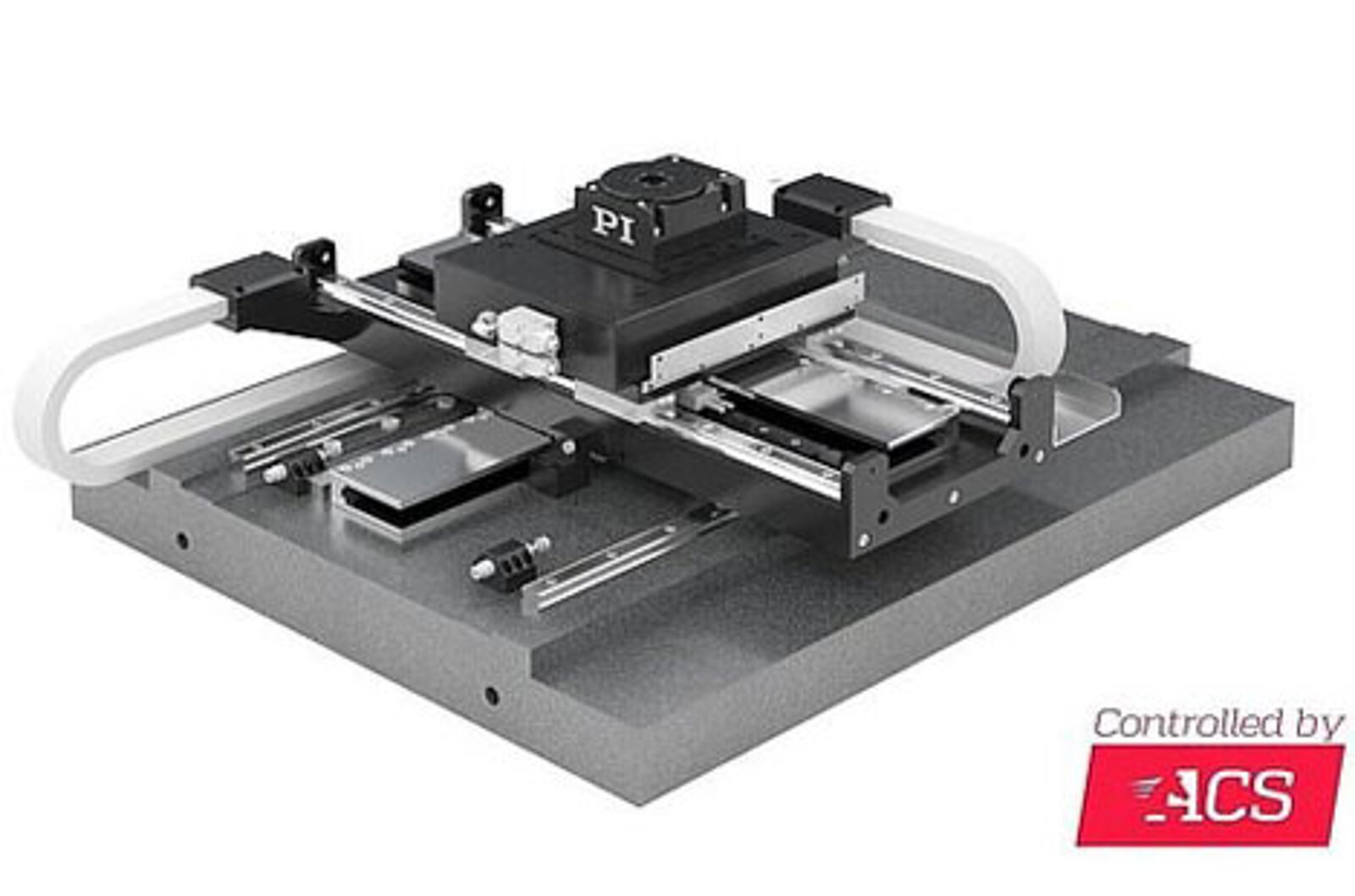
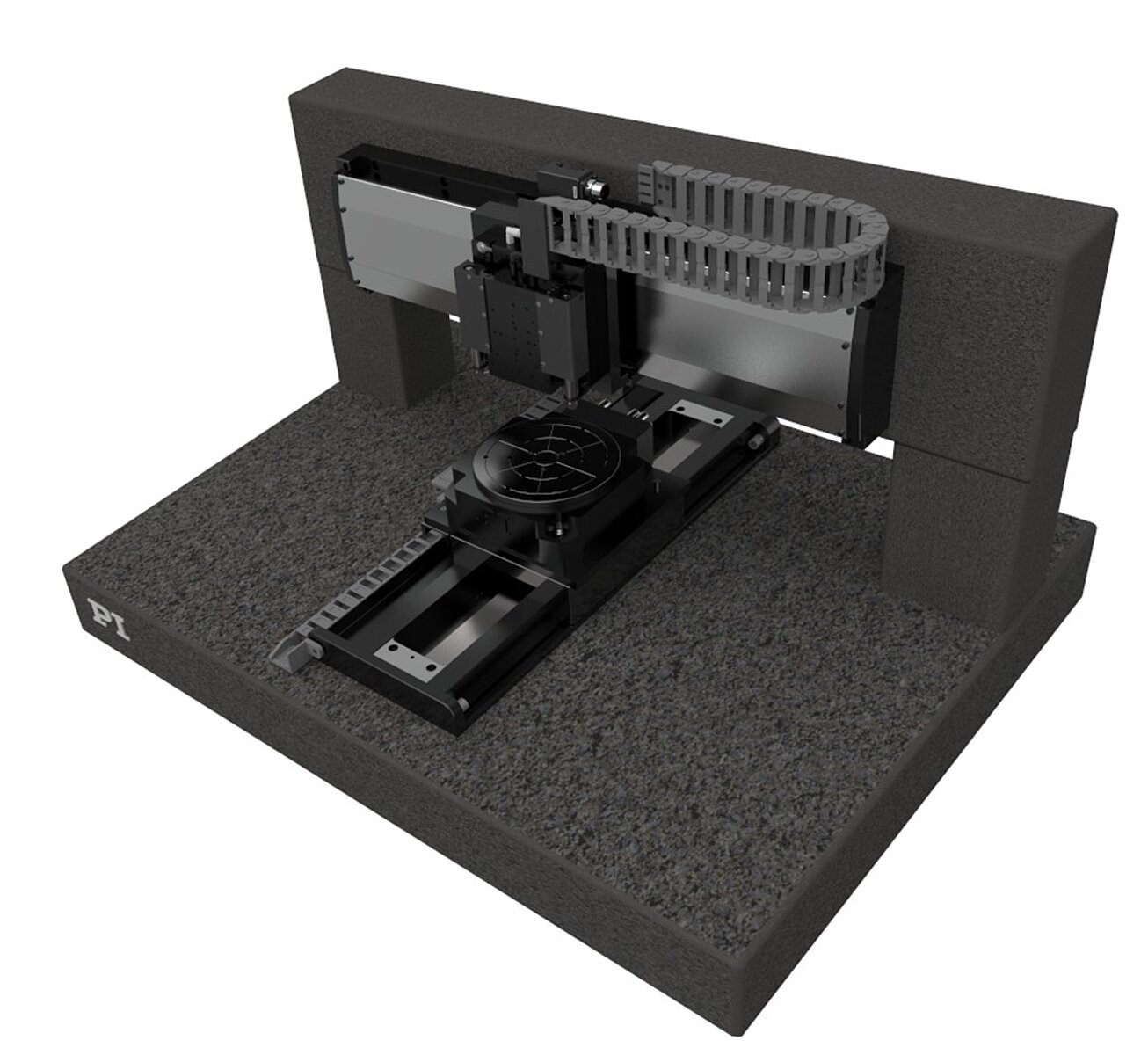
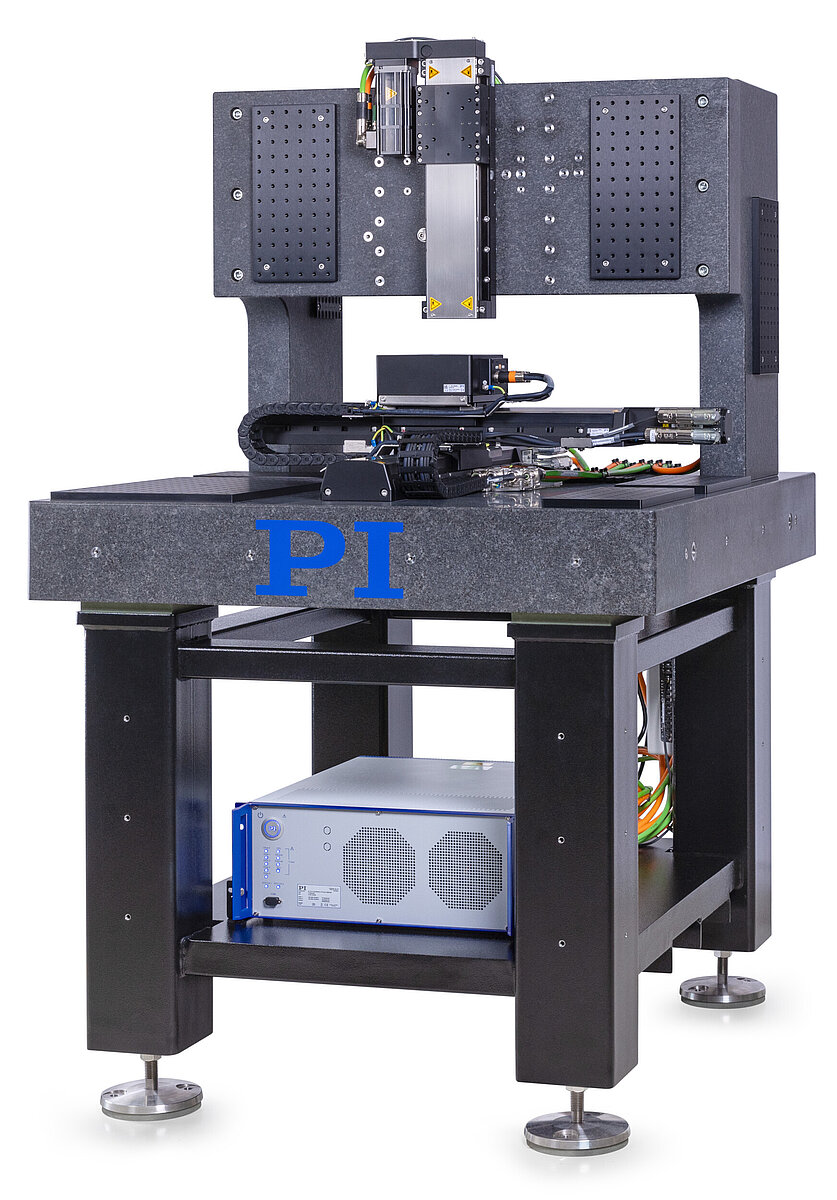
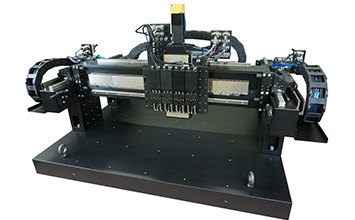
Different approaches: Custom rails-on-granite construction (left) vs standard stages mounted on granite (right). Depending on the application, timeline, and budget, either approach can be the better fit. Then there’s the question whether to use mechanical bearings, air bearings or magnetic bearings, electromagnetic motors or piezoelectric non-magnetic motors.
That responsibility begins early. At this stage, the goal is not simply to determine whether a proposed approach will work. It is to determine whether it is the best approach

- Can the same objective be achieved with a different system architecture?
- Would a different position feedback technology reduce complexity?
- Would integrating additional functionality within the motion system simplify the customer's own development effort?
- Could a more sophisticated control architecture eliminate mechanical complexity elsewhere in the machine?
- Should additional capability be added to the motion platform if it reduces engineering effort in several other parts of the project?
These are not simply technical questions - they are business decisions. Every architectural decision influences technical risk, schedule, development effort, system cost, long-term maintainability, and ultimately commercial success.
Looking Beyond the Cost of the Motion System
One of the most valuable things an engineering partner can do is help customers understand tradeoffs as early as possible. Sometimes that means recommending a motion platform that costs more than the customer originally expected.
At first glance, that may appear to exceed the available budget. In reality, it may significantly reduce the total cost of the program. A more capable motion system may eliminate months of software development, reduce third-party integration, simplify commissioning, improve long-term reliability, or accelerate time to market.
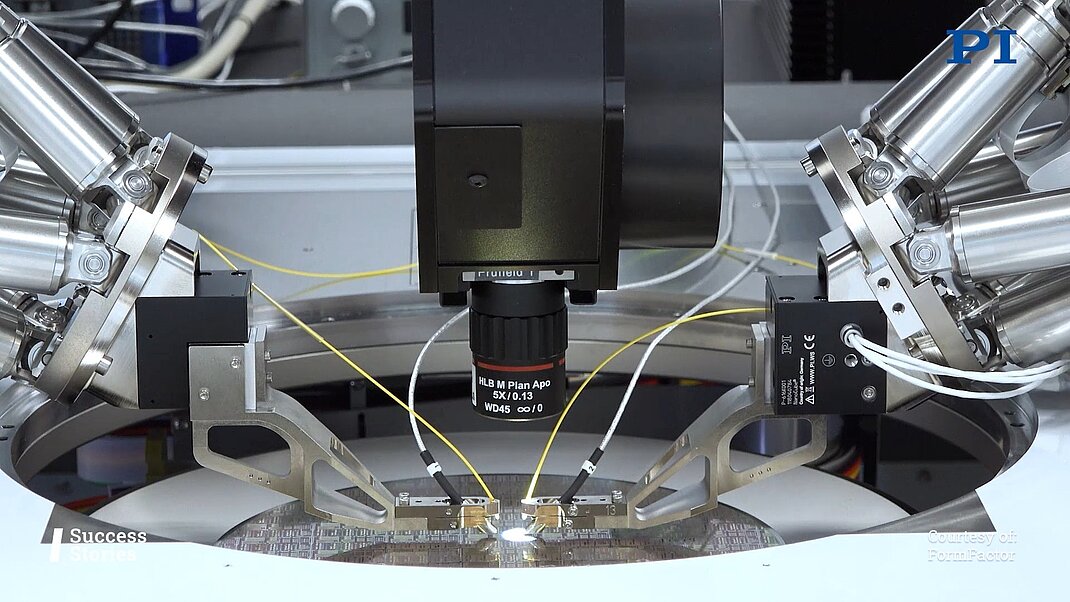
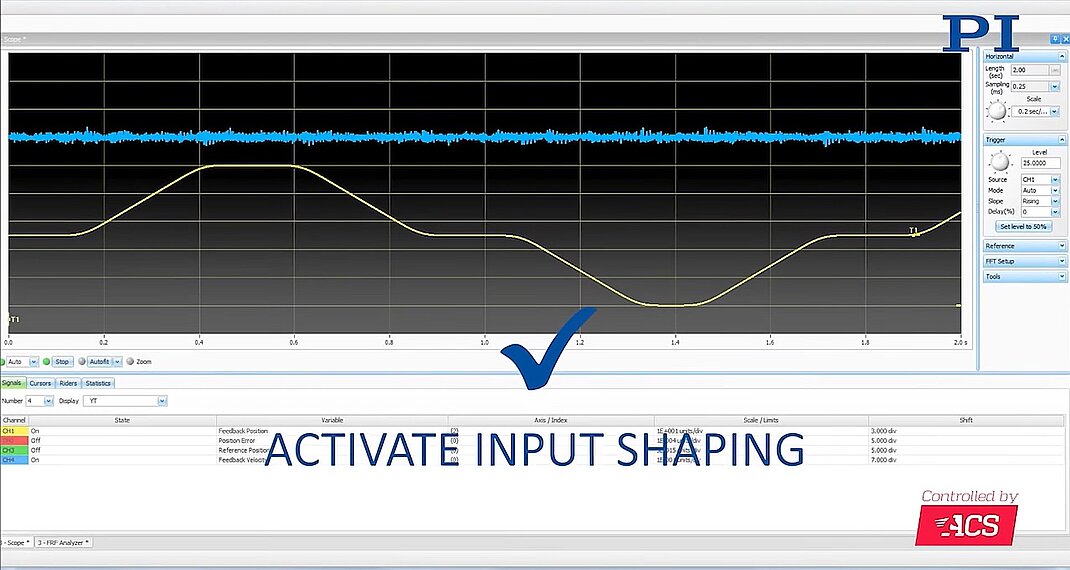
Looking only at the purchase price of the motion platform misses the much larger opportunity.
Our responsibility is not to optimize the cost of the motion system. It is to optimize the customer's total investment. That includes hardware, engineering effort, integration, schedule, scalability, and ultimately the customer's ability to successfully commercialize their own technology.
That is where PI differentiates, and it is where we will continue to invest because we believe it is how we create the greatest value for our customers.
From Supplier to Engineering Partner
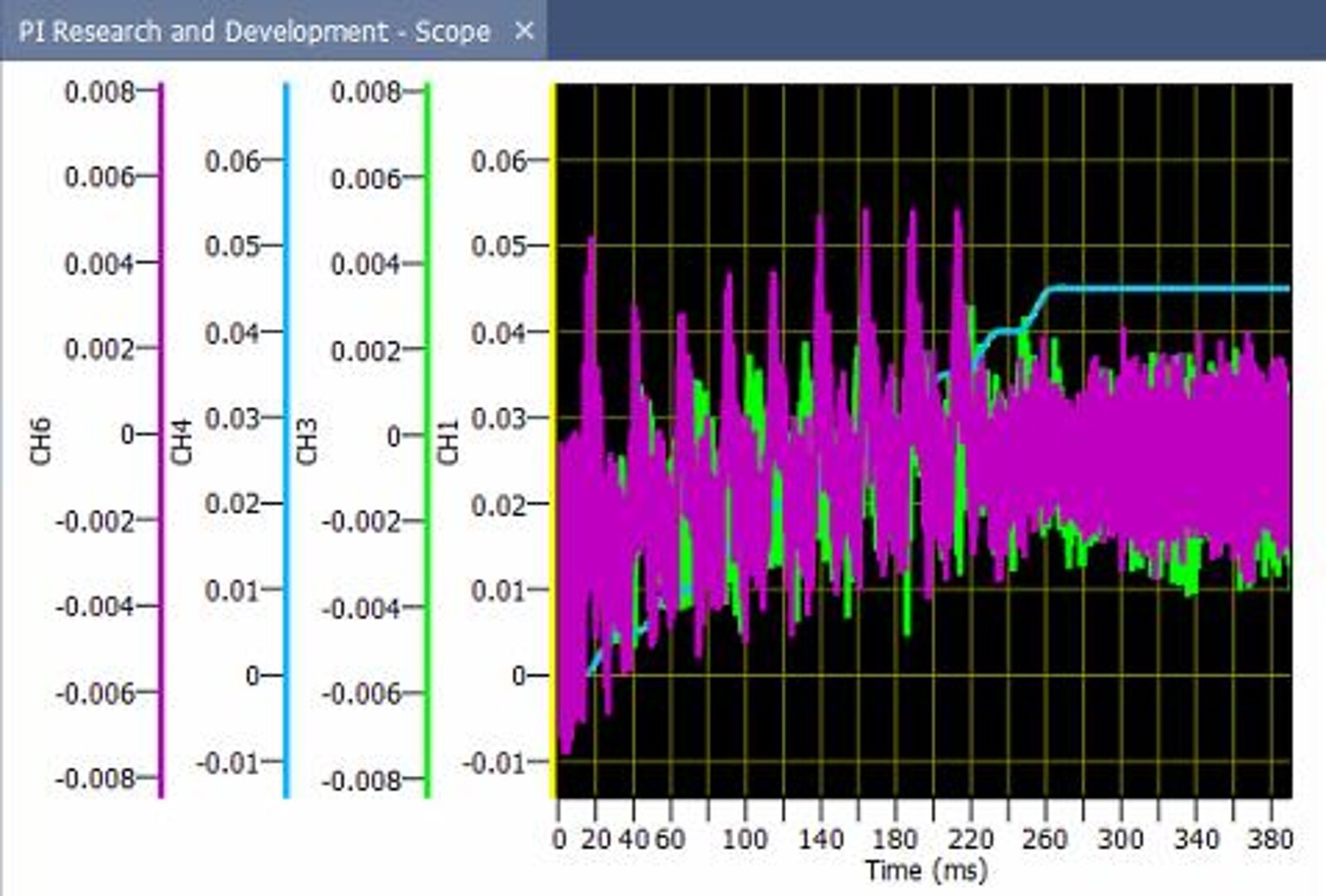
Yes, customers come to us looking for world-class precision stages. And they should! But our conversation shouldn't stop there. Our responsibility is to help customers think beyond the stage. To understand the engineering challenges that lie ahead and apply our experience before those challenges become expensive problems.
Sometimes that means recommending a different system architecture. Sometimes it means integrating vision, metrology, or laser technologies. Sometimes it means unlocking capabilities within the controller that the customer didn't realize were possible. Sometimes it means applying lessons learned from years of solving similar challenges across an entire industry.
Reducing Risk, Creating Value
Every one of those conversations has the same objective; Reduce risk. Technical risk. Schedule risk. Development risk. Commercial risk.
Because when the architecture is right and the difficult engineering decisions are made early, projects move faster. Integration becomes smoother. Expectations become clearer. Customers spend more of their engineering effort creating the innovations that differentiate their products instead of solving engineering challenges that have already been solved many times before.
Ultimately, we believe that is where the greatest value is created. Not because customers stop buying precision stages. They absolutely don't. They still expect world-class precision stages, controllers, and cutting-edge performance. The difference is that our conversation doesn't stop there.
The best partnerships are built by helping customers build better machines, reduce the risk of innovation, and bring new technologies to market with greater confidence. That is what a precision motion system should deliver.
That is why PI will continue to invest not only in precision motion products, but also in the application expertise, controller technologies, and market knowledge that help our customers innovate with greater confidence, reduce both technical and commercial risk, and bring new capabilities to market faster.
Author: Walter Silvesky



Blog Categories
- Aero-Space
- Air Bearing Stages, Components, Systems
- Astronomy
- Automation, Nano-Automation
- Beamline Instrumentation
- Bio-Medical
- Hexapods
- Imaging & Microscopy
- Laser Machining, Processing
- Linear Actuators
- Linear Motor, Positioning System
- Metrology
- Microscopy
- Motorized Precision Positioners
- Multi-Axis Motion
- NanoAutomation
- Nanopositioning
- Photonics
- Piezo Actuators, Motors
- Piezo Mechanics
- Piezo Transducers / Sensors
- Precision Machining
- Semicon
- Software Tools
- UHV Positioning Stage
- Voice Coil Linear Actuator
- X-Ray Spectroscopy